
Global Port Supply Chain Support for Multi-Category Procurement
LE PEI helps overseas port companies coordinate branded, unbranded and OEM products through suitable global supply routes—aligning requirements, sourcing, quality, budget priorities, consolidation and international delivery through one point.
Turn fragmented port purchasing into one managed global supply chain
Port requirements often combine many product categories, different requesters, technical specifications, brand preferences and delivery dates. LE PEI organizes that complexity into a coordinated sourcing and international logistics process.
- Evaluate manufacturers, authorized or established distribution channels and OEM partners across Asia, Europe, the Americas and other practical markets
- Distinguish brand ownership, actual manufacturing origin and supply-channel documentation when products from European or American brands are made in Asia
- Compare branded, suitable unbranded and OEM alternatives against specifications, availability, total delivery considerations and budget priorities
- Group multi-category requirements for management review, quality coordination, cargo consolidation and international shipment
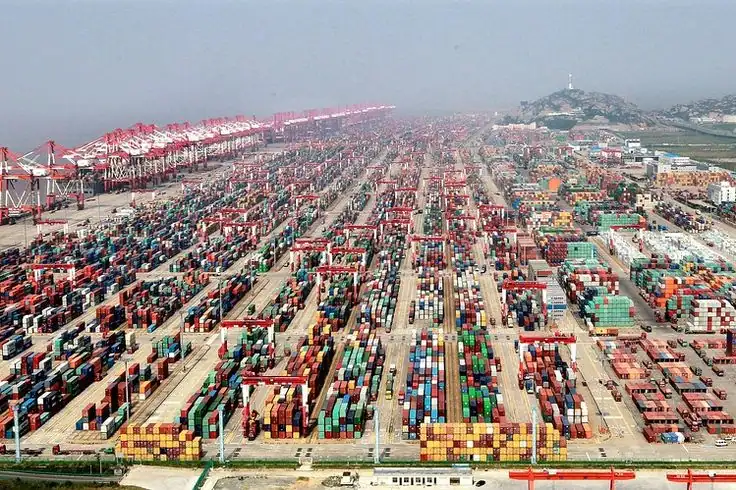
Improve purchasing efficiency, accuracy and supply reliability
A centralized process gives operational requesters, procurement teams and management a clearer way to review what is needed, where it can be sourced and how the combined requirement can be delivered.
Multi-Category Efficiency
Reduce duplicated supplier searches and scattered communication by coordinating product categories, quotations, specifications and schedules through one supply chain point.
Accuracy & Budget Visibility
Structure requirements by category, specification, quantity, requester and priority so management can compare brand options and allocate budget with better context.
Supply Reliability
Evaluate alternative supply routes, align quality expectations and coordinate consolidation and delivery to reduce dependence on a single supplier or market.
Total Delivery Cost
Review product price together with origin, packaging, consolidation, documentation, freight and schedule considerations so a low unit price does not hide a poor overall choice.
Traceability & Compliance
Coordinate supplier and channel information, required certificates, inspection records, packing details and shipment documents according to the requirement.
Continuity Planning
Keep approved specifications, alternatives and repeat-order requirements organized to support future replenishment, compatible spares and supply continuity.
From a product brief to delivery, and from port supply to installation
Two completed projects show different parts of LE PEI’s work: developing a custom product requirement and collaborating on a port fender delivery-and-installation scope.
Safety-Belt Shoulder Pads
LE PEI progressed an initially unclear requirement through design drawings, sample delivery and completed order delivery for a customer in Panama.
Fender Delivery and Installation
LE PEI worked alongside another registered supplier on a completed project covering fender delivery and installation in Port of Spain.
Project materials, facilities, tools, equipment and OEM programs
These capabilities sit inside the broader port supply chain process and can be combined according to each operational or project requirement.
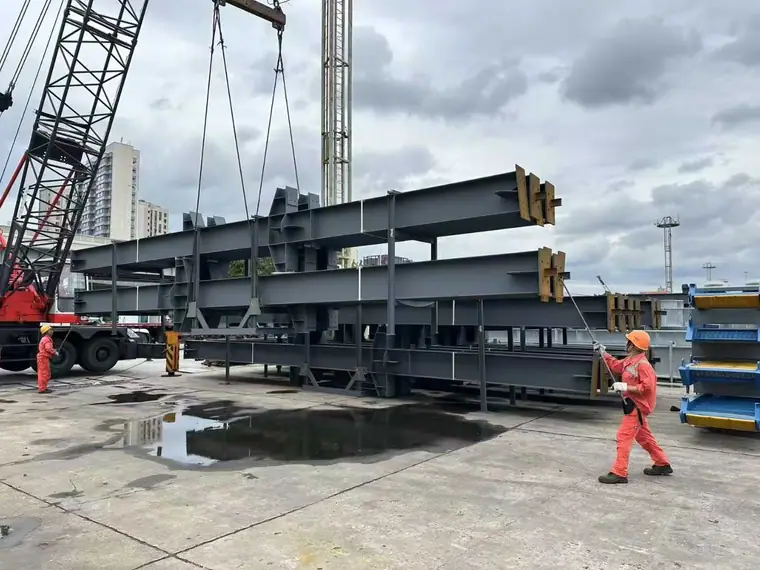
Project Materials
Specification-driven sourcing of construction and industrial materials with inspection and delivery coordination.
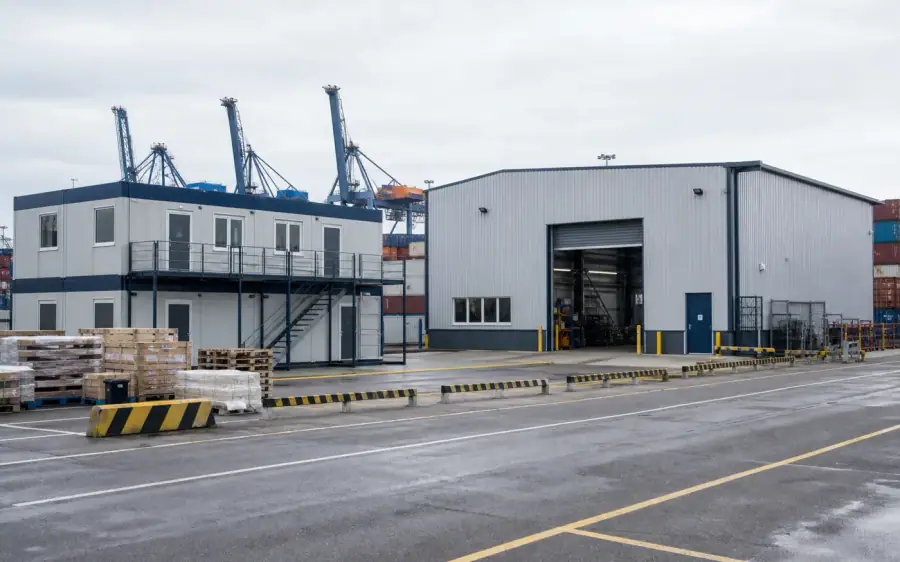
Modular Facilities
Containerized and modular offices, warehouses and temporary operational facilities configured for project use.
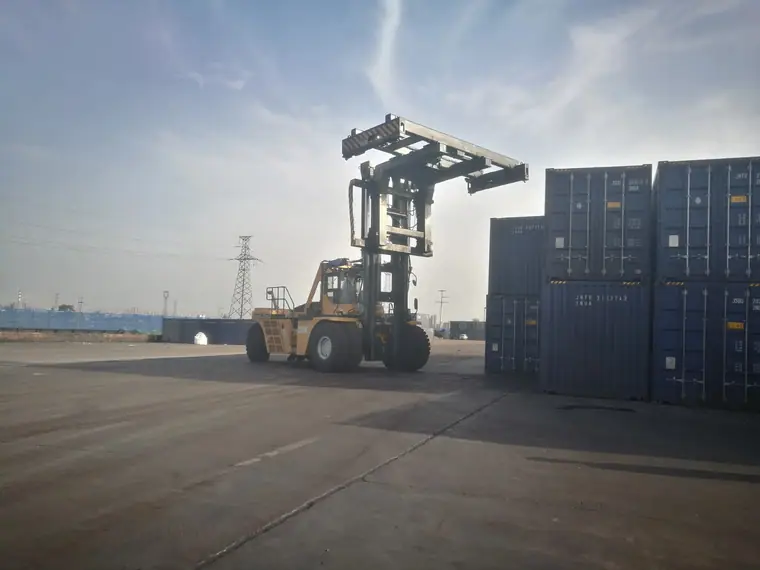
Tools & Site Equipment
Coordinated sourcing for tools, handling equipment and site requirements used in port and industrial work.

OEM & Private Label
Supplier selection, specification alignment, quality control and delivery coordination without positioning LE PEI as the manufacturer.
From mixed purchase list to international delivery
Every engagement starts with the actual requirement—not a fixed catalog or a single-country assumption.
Requirement Mapping
Organize categories, specifications, quantities, requester priorities, budgets and target dates.
Global Route Evaluation
Assess suitable brand channels, manufacturers, distributors and OEM partners across relevant markets.
Option Alignment
Compare technical fit, brand choices, commercial factors, lead times and required approvals.
Quality & Compliance
Coordinate samples, inspection requirements, traceability, documentation, packaging and shipment readiness.
Consolidation & Delivery
Group compatible cargo and organize international logistics against the required schedule.
Port companies managing recurring and project-based supply requirements
LE PEI supports overseas port-related companies that need a reliable coordination layer across operational, maintenance and project purchases. Clients retain control of their budgets, approvals and operations.
Port Operations & Service Teams
Coordinate mixed operational requirements without building a separate supplier relationship for every category.
Procurement & Management
Review category priorities, brand alternatives and budget allocation within a clearer consolidated requirement.
EPC & Industrial Projects
Combine specification-driven materials, facilities, tools, equipment and OEM programs around project schedules.
Plan global port procurement with fewer surprises
Detailed guidance for overseas port companies, EPC contractors and industrial teams coordinating multi-category requirements across global supply markets.
Multi-Category Port Procurement RFQ Checklist
Structure product details, priorities, brand rules, documents, dates and destination before requesting quotations.
Use the RFQ checklist →Branded vs Unbranded vs OEM
Compare authenticity, technical fit, quality evidence, lead time, lifecycle support and total delivery cost.
Compare supply options →Consolidated vs Split Shipments
Decide when mixed port purchases should travel together and when urgency or cargo constraints justify separate dispatch.
Plan the shipment →Have a mixed port purchasing list or recurring supply need?
Share the categories, specifications, quantities, preferred brands or acceptable alternatives, destination and target schedule. LE PEI will review how the requirement can be coordinated.